

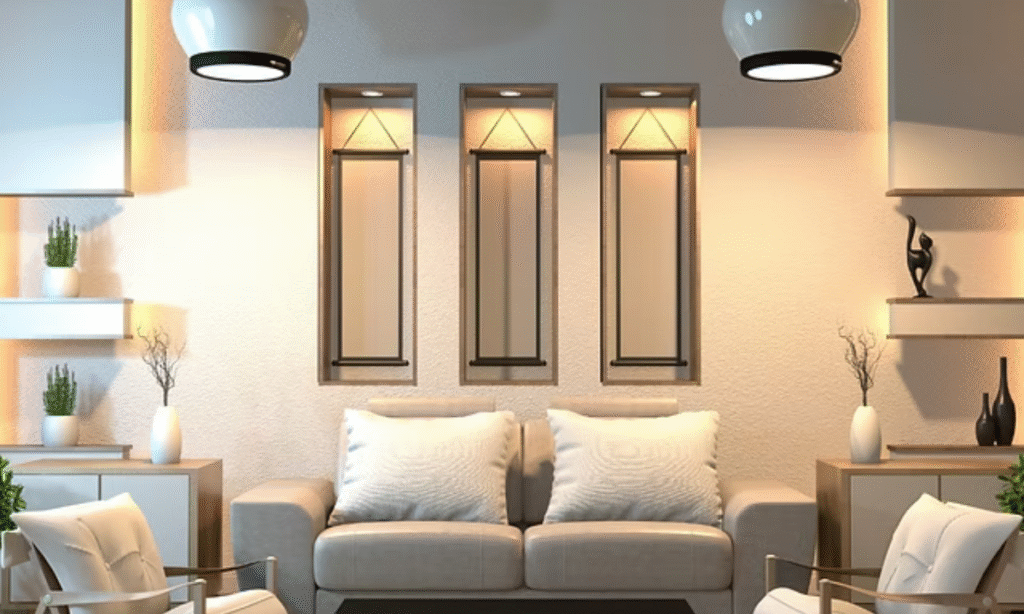
Lighting can make or break a room. A well-lit space feels welcoming, functional, and beautifully put together. Yet most people treat it as an afterthought, choosing a fixture or an electrical bulb at the last minute without a clear plan. If you are starting fresh or looking to improve what you have, this guide walks you through the essentials of planning lighting for home interiors, one layer at a time.
Understanding the Three Layers of Lighting
Every well-designed interior uses three types of lighting together. Think of them as layers that work in combination rather than in isolation.
- Ambient Lighting: Your Foundation
Ambient lighting provides the overall illumination of a room. Ceiling lights are the most common source of ambient light in homes. Whether you choose a flush mount, a pendant, or a chandelier, ceiling lights set the general mood and brightness of any space. The goal here is even, comfortable light that allows you to move around safely and see the room clearly.
- Task Lighting: Light Where You Need It Most
Task lighting is focused and functional. It is the reading lamp beside your sofa, the pendant above your kitchen island, or the mirror light in your bathroom. This layer prevents eye strain and makes daily activities easier. When planning task lighting, think about where you actually perform activities and what kind of light each one demands.
- Accent Lighting: Add Depth and Character
Accent lighting adds drama and dimension. It draws attention to features you love, such as artwork, architectural details, or a beautiful bookshelf. Wall sconces, spotlights, and cabinet lights all fall into this category. Cabinet lights, in particular, are a simple but effective way to highlight display shelves, kitchen cabinets, or under-counter areas, giving any room a polished, finished look.
Room-by-Room Lighting Basics
Different rooms serve different purposes, and your lighting plan should reflect that.
1. Living Room
The living room needs flexibility. You want bright light for activities and softer light for relaxing. A combination of ceiling lights for general brightness, floor lamps for reading, and accent pieces like cabinet lights for display units creates a room that adapts to any occasion.
- Use dimmable ceiling lights to control the mood
- Add a floor lamp near your reading chair
- Illuminate shelves or art niches with cabinet lights for a curated feel
2. Kitchen
Kitchens demand strong, practical lighting. Ceiling lights should be bright enough to illuminate countertops safely. Add under-cabinet lights above your workspace to eliminate shadows while cooking. These small additions make a significant difference to both function and style.
- Install bright ceiling lights as your primary source
- Use under-cabinet lights to brighten your prep areas
- Consider a pendant or two above a kitchen island for task lighting with style
3. Bedroom
Bedrooms benefit from gentle, warm light. Avoid harsh overhead ceiling lights as your only source. Layer in bedside lamps for reading and consider subtle accent lighting to create a relaxing atmosphere. Warmer electrical bulb tones work best here, as they signal to the body that it is time to wind down.
Choosing the Right Electrical Bulb for Each Space
Choosing the right electrical bulb is one of the most overlooked steps in lighting design. The wrong bulb can make a beautiful fixture look flat or a cosy room feel clinical.
Here are the key things to consider when selecting a bulb:
- Colour temperature: Measured in Kelvins (K). Warm white (2700K to 3000K) suits bedrooms and living rooms. Cool white (3500K to 4000K) works fine in bathrooms and kitchens. Daylight (5000K+) is ideal for task-heavy spaces like home offices.
- Lumens, not watts: Lumens measure brightness. Watts measure energy use. A higher lumen count means a brighter light, regardless of the watt rating.
- Dimmability: Not all bulbs are dimmable. Always check before buying if you plan to install a dimmer switch.
- LED over other options: LED bulbs last significantly longer and use far less energy than older alternatives, making them a smart long-term choice for every room.
Practical Tips for a Cohesive Lighting Plan
Planning ahead saves you from expensive corrections later. Keep these tips in mind as you design your lighting:
- Plan your circuits early: Know where your power points are before choosing fixtures. Ceiling lights typically need hardwiring, so plan these before the walls are finished.
- Use consistent bulb tones throughout open spaces: Mixing warm and cool tones in adjoining rooms creates visual discord. Keep the colour temperature consistent across connected areas.
- Do not neglect vertical surfaces: Lighting walls and vertical features adds depth. Cabinet lights or wall sconces can transform a flat wall into a feature.
- Layer always: No single source does everything well. The more layers you add, the more control you have over how your home feels at any given time.
- Think about natural light too: Your artificial lighting plan should complement how much daylight each room receives throughout the day.
Final Thoughts
Lighting is one of the most powerful tools you have in shaping how your home feels. It costs less than a full renovation, yet its impact is just as transformative. Start with a plan, layer your sources thoughtfully, pick the right electrical bulb for each purpose, and do not underestimate the small additions like cabinet lights that tie a room together. With a little intention, you can create spaces that feel as good as they look.
