

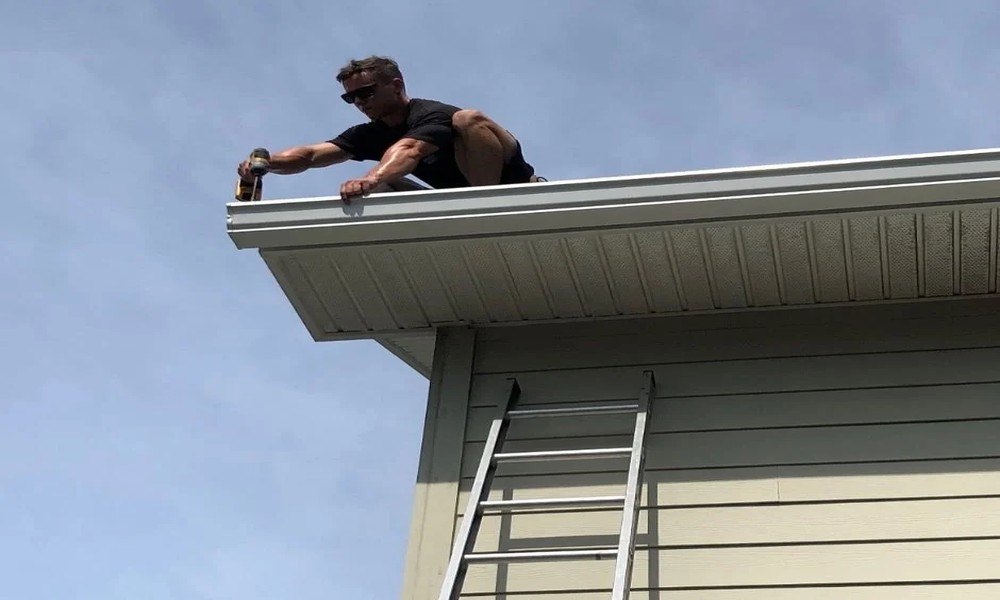
Strong coastal storms, salty air, and sudden rain create serious roofing problems for many homeowners near the South Carolina shoreline. Small damage can spread quickly when water enters attics, ceilings, or wall structures. Delayed repairs usually lead to mold growth, insulation damage, and higher restoration costs.
After heavy wind, fallen branches, or sudden leaks, for homeowners, it becomes essential to look for a reliable emergency roof repair in Myrtle Beach, SC, before the damage spreads further. Quick repairs help protect ceilings, electrical systems, insulation, and structural support from costly water intrusion during coastal storms.
1. Storm Damage After Coastal Winds
Powerful coastal storms place heavy pressure on roofing materials throughout Myrtle Beach. Wind gusts can loosen shingles, damage flashing, or expose plywood beneath the surface. Homeowners may first notice missing shingles scattered across yards or water stains appearing near ceiling corners after rainfall.
Quick inspections help prevent deeper structural problems. Roofers usually check ridge caps, vents, and edge seals after severe weather passes through the area. Temporary coverings may protect exposed sections until full repairs begin. Fast response reduces the chance of water spreading into insulation or drywall.
2. Roof Leaks Around Chimneys and Vents
Chimneys, skylights, and roof vents create weak points where water can enter easily. Flashing around these areas may crack or separate after years of heat, rain, and humidity exposure. Homeowners sometimes notice dripping water during storms or dark ceiling spots near upper rooms.
Small leaks rarely stay isolated for long. Moisture may travel through attic spaces before visible signs appear inside living areas. Roofing crews usually inspect sealant condition carefully around all roof openings after leak reports surface in coastal homes.
3. Fallen Tree Limbs After Heavy Rain
Large branches create immediate roofing emergencies after storms soften tree roots or increase wind pressure. Impact damage may puncture shingles, crack decking, or damage gutters along the roof edges. Some homeowners in Myrtle Beach face blocked roof drainage after limbs collect debris across valleys and downspouts.
Emergency crews usually remove dangerous debris first before evaluating structural damage beneath the surface. Homeowners should avoid climbing damaged roofs because hidden weak spots may collapse under weight. Professional inspections help identify hidden cracks or moisture buildup after tree impact situations.
4. Water Damage Inside the Attic
Attics usually reveal roofing trouble before leaks reach lower floors. Damp insulation, wood discoloration, or musty smells may signal trapped moisture after storms. Poor attic ventilation also creates heat buildup that weakens roofing materials faster during hot coastal summers.
Property owners should inspect attic spaces after strong storms or unusual indoor humidity changes. Roofing specialists may recommend emergency roof repair in Myrtle Beach, SC, when water enters support beams, electrical wiring, or insulation layers. Early repairs help reduce interior restoration costs significantly.
5. Loose Shingles After Heat Exposure
South Carolina’s heat places constant pressure on roofing systems throughout the year. Shingles may curl, crack, or loosen after repeated sun exposure combined with heavy rain. Older roofs face a greater risk because adhesive strips weaken gradually under changing weather conditions.
Loose shingles allow water and debris to reach deeper roofing layers quickly. Homeowners should watch for granules inside gutters because heavy granule loss usually signals material breakdown. Timely repairs help extend roof life and improve storm protection before hurricane season arrives.
Helpful Steps Before Emergency Roof Repairs
Homeowners can prepare for emergency roofing visits with these practical steps:
- Take clear photos of visible roof damage
- Move valuables away from active leaks
- Cover furniture beneath ceiling stains
- Keep insurance documents easy to access
- Clear driveway space for roofing vehicles
- Write down storm dates and weather details
Roofing emergencies create stress quickly after storms, leaks, or falling debris damage a home. Fast response helps protect ceilings, insulation, electrical systems, and structural support before repair costs rise further. Small warning signs should never remain ignored near coastal environments.
Homeowners in Myrtle Beach benefit from early inspections and quick repair decisions after severe weather. Strong maintenance habits and prompt professional support help roofs handle coastal conditions more effectively while reducing long-term water damage throughout the property.
