

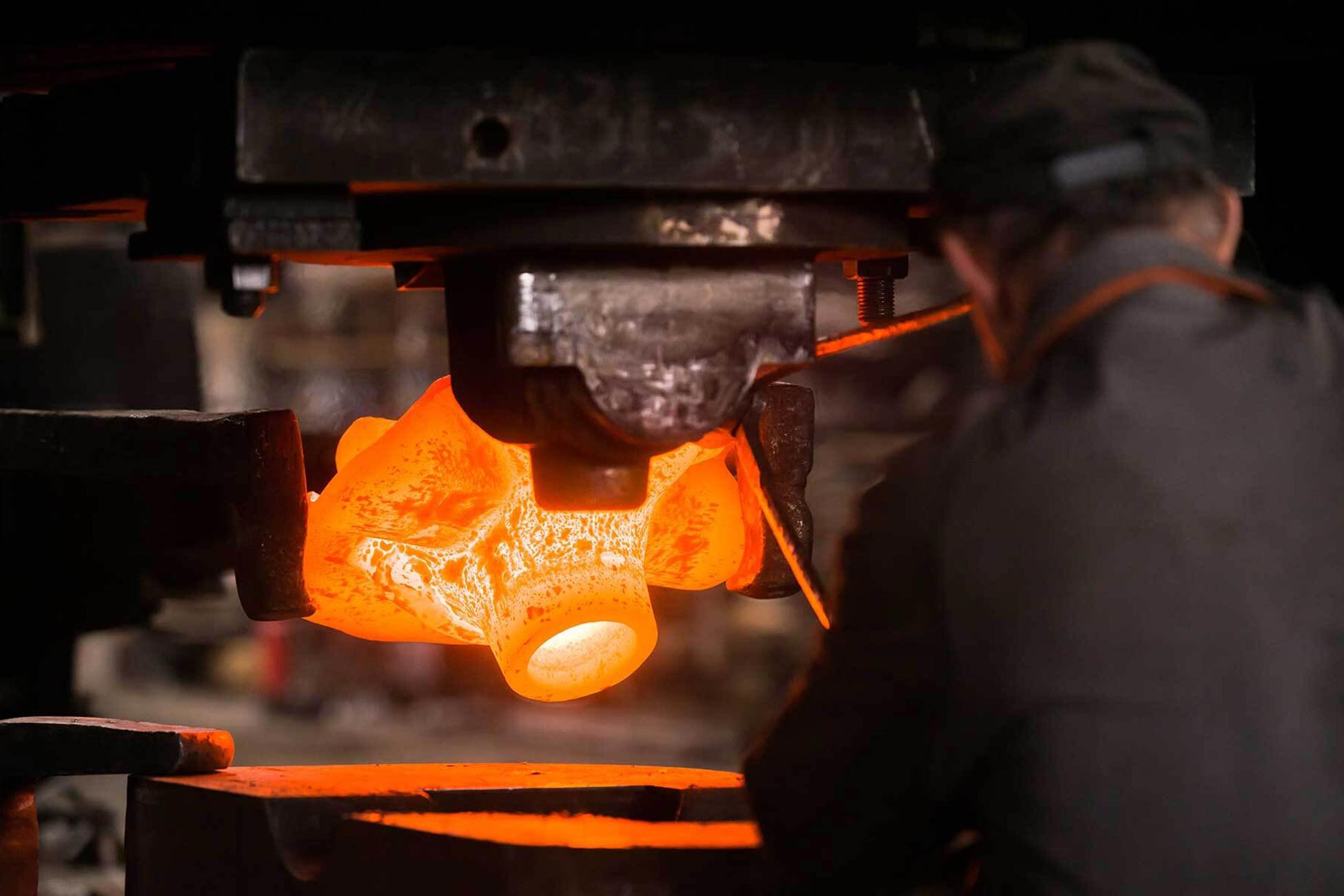
Strong industrial environments rely on components built for sustained performance and accurate load handling. These expectations push producers to refine methods that maintain structural integrity through variable conditions. Precision shaping supports uniform results across extended cycles, and Forging Vietnam exemplifies this dependable approach. End users value this consistency because reliable output stabilizes entire operational systems.
Engineered Stability Supporting Heavy Applications
Durable shaping techniques improve resilience across repeated stress events. Controlled deformation also helps each part maintain balanced structure with consistent endurance properties. This stability supports sectors requiring predictable behavior under shifting performance demands.
- Optimized shaping improves internal grain alignment
- Reliable forming delivers predictable operational strength
- Material flow control supports longer usage cycles
- Repeatable processes reduce unexpected component wear
Stable treatments preserve reliability throughout varied conditions. These advantages help operations sustain confidence in crucial mechanical elements across long service intervals.
What Defines Reliable Performance Under Pressure?
Reliable performance centers on endurance that holds firm across fluctuating conditions. It reflects the ability of each piece to withstand force, heat, vibration, and shifting operational expectations. Uniform shaping protects long-term function because each influence distributes evenly throughout the structure, allowing heavy machinery to remain responsive and predictable during extended use cycles. Operators benefit from this balanced behavior because stable parts reduce maintenance interruptions.
Advanced Forming Precision Elevating Component Life
Precision forming enhances part longevity by maintaining tight dimensional control. These accurate movements reduce variations that typically appear during high-stress applications. Well-shaped structures experience smoother load transfer, which strengthens long-range dependability.
- Controlled edges strengthen overall material flow
- Predictable geometry supports balanced force distribution
- Reduced stress concentrations extend service duration
- Improved symmetry enhances mechanical responsiveness
Careful execution preserves the durability required by high-duty systems. These qualities reinforce confidence in critical components used in rigorous environments.
How Can Users Identify Durable Formed Components?
Users can identify dependable pieces by observing consistent finishes and balanced structures. A reliable part often shows clear shaping lines without distortions that could compromise endurance. Evaluating stability during early cycles can also confirm how well the component adapts to workload shifts. Clear behavior during these tests helps users trust the piece for heavier tasks.
Why Does Process Consistency Influence Endurance Outcomes?
Process consistency influences endurance because uniform shaping builds structural balance into every section. Predictable methods reduce internal tension patterns that usually weaken components over time. This harmony supports applications experiencing steady mechanical force. During mid-tier forming operations, industries often reference Forging Vietnam as an example of steady execution that reinforces component reliability.
Strength Focused Practices Supporting Long Use Cycles
Strength-focused shaping supports machinery that must perform across extended periods. These refined methods help structures maintain predictable reactions despite workload fluctuations. Balanced forming continues to protect part integrity as equipment ages, allowing users to operate heavy systems with confidence grounded in stable performance.