

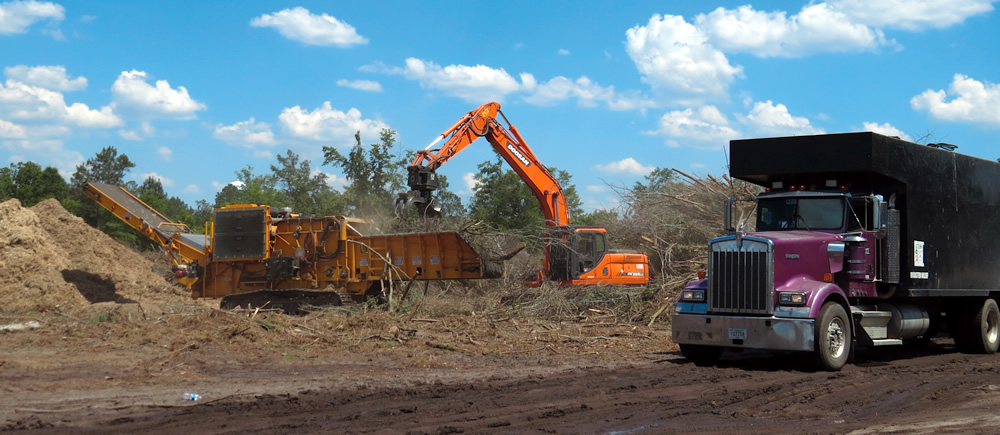
Hurricane and tropical storm cleanup creates debris piles that look similar at first glance. Tree limbs mix with roofing materials. Soggy carpet sits next to broken furniture. Household items blend with construction waste. The removal of storm-generated material varies. Different debris types require different collection methods, distinct disposal locations, and specific hauling procedures.
Vegetation and organic material
Trees, branches, palm fronds, and plant material make up most of what gets left behind after major storms blow through. This stuff gets separated from everything else because it heads to facilities that won’t accept mixed loads. junk hauling in St Petersburg FL moves tremendous amounts of plant debris after tropical systems hit the region.
- Wood chippers turn clean vegetation into mulch that landscaping companies buy. Composting operations take organic loads but reject anything with nails, treated wood, or construction materials mixed in. One fence post in a truckload of branches ruins the whole batch. That load goes to a landfill where it takes up space instead of becoming useful mulch.
- Palm trees create headaches. The fronds break down differently from oak or pine branches. Stumps need grinders with more power than what works for trimming waste. Roots pull up chunks of soil and sometimes concrete.
- Chain link fencing looks like branches from a distance. Treated lumber blends right in with natural wood until chemical preservatives contaminate compost operations. Some property owners bundle everything together without thinking about what happens at the processing facility.
Residential items and furnishings
- Water-soaked furniture weighs more than before the storm. Floodwater soaks into mattresses. Appliances that sat in standing water for a week carry contamination nobody wants touching their skin. Household items travel to different places from yard waste.
- Floodwater picks up whatever it touches. Sewage from backed-up drains. Chemicals from garages. Motor oil from driveways. All of it gets absorbed into the carpets. Contamination determines handling procedures.
- White goods get immediate attention because federal regulations require refrigerant recovery before disposal. Refrigerators and freezers often contain spoiled food, creating biohazard conditions. Air conditioning units need the same refrigerant extraction process. Water heaters hold residual liquid and sediment requiring drainage. The scrap metal value justifies extra sorting effort.
Building components and materials
Shingles torn off roofs during winds pile up fast. Drywall gets saturated and crumbles. Lumber from collapsed structures mixes with siding, trim, and framing components. There are subcategories of construction debris based on recycling potential.
Asphalt shingles are ground into road paving material at asphalt plants. The contaminated loads end up in landfills because processing plants refuse to accept contaminated batches. How carefully the haulier sorts at pickup determines whether a load gets recycled or buried.
Concrete and brick have value when kept separate:
- Crushing operations turn clean masonry into base material for new construction
- Contaminated concrete with wood, metal, or gypsum loses recycling options
- Metal roofing separated from debris brings premium scrap prices
- Mixed metal in general construction waste gets buried with everything else
Haulers familiar with storm work know what to look for. A greenish tint indicates copper-treated lumber. Thick paint layers on old wood suggest lead testing might be needed. Certain siding textures point to asbestos content. Catching these materials during initial sorting prevents bigger problems later. Proper separation during collection enables recycling, prevents environmental contamination, and ensures compliance with disposal regulations.
