

Exploring the Benefits of Uniform Load Distribution in Modern Construction
In modern construction, one of the biggest challenges engineers face is building on weak or inconsistent soil. Whether it is soft clay, loose sand, or reclaimed land, such conditions can lead to uneven settlement and structural instability if not handled properly.
This is where raft foundations-also known as mat foundations-play a crucial role. By offering uniform load distribution, they provide a stable and reliable base for structures, even in the most challenging ground conditions.
What is a Raft Foundation?
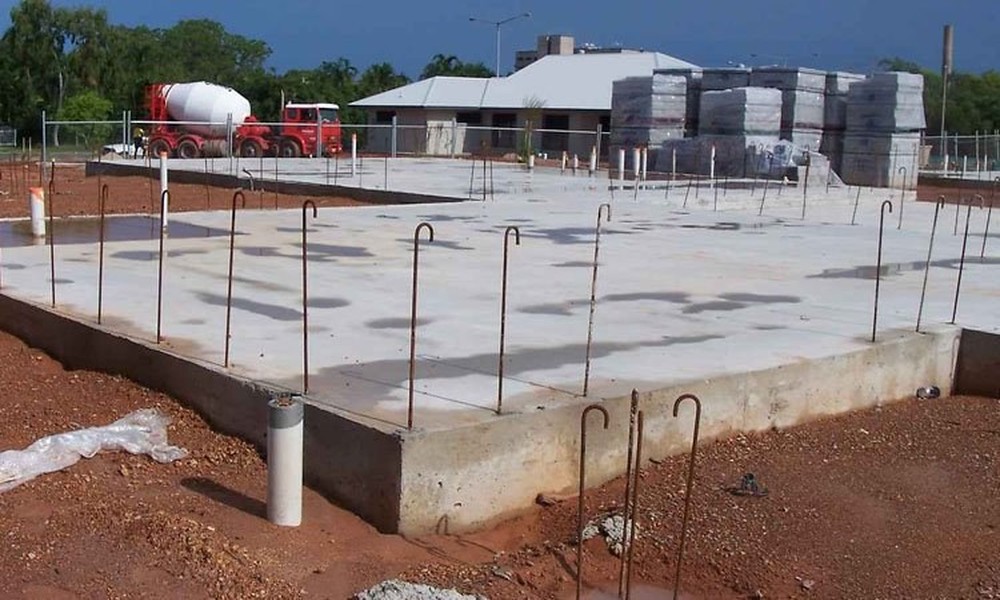
A raft foundations is a large reinforced concrete slab that covers the entire footprint of a building. It supports all columns and walls, distributing the load across a wide area rather than concentrating it at individual points.
This unified approach makes raft foundations particularly effective for sites where soil strength is low or varies across the site.
The Problem with Weak Soil Sites
Weak soils have low bearing capacity and are prone to compression under load. Common issues include:
- Uneven settlement
- Cracking in walls and floors
- Structural tilting
- Long-term maintenance problems
Traditional foundations, such as isolated footings, transfer loads to specific points, which can worsen these issues when the soil is not strong enough to support them.
The Role of Uniform Load Distribution
The key advantage of raft foundations lies in their ability to distribute loads uniformly.
Instead of concentrating weight at individual columns, a raft foundation spreads the load across the entire building area. This results in:
- Reduced pressure on the soil
- Lower risk of localized failure
- More balanced settlement across the structure
This concept is essential in modern construction, where buildings are often larger and more complex.
How Raft Foundations Achieve Stability
Raft foundations act as a rigid platform that moves as a single unit with the soil beneath it. This ensures that even if some settlement occurs, it happens uniformly, preventing structural damage.
Key mechanisms include:
- Load sharing across the entire slab
- Increased contact area with soil
- Structural rigidity due to reinforcement
Together, these factors enhance the building’s ability to remain stable over time.
Key Benefits of Raft Foundations
1. Reduced Differential Settlement
By distributing loads evenly, raft foundations minimize differences in settlement between various parts of the building.
2. Improved Structural Integrity
A unified base helps maintain alignment and reduces the risk of cracks or deformation.
3. Suitability for Weak and Variable Soils
Ideal for soils with low bearing capacity or inconsistent properties.
4. Cost-Effective for Large Structures
While material usage may be higher, overall costs can be reduced by eliminating the need for multiple footings.
5. Faster Construction
Simplified excavation and formwork lead to quicker project completion.
6. Performance in High Water Table Areas
Raft foundations provide stability without requiring deep excavation, making them suitable for waterlogged sites.
Types of Raft Foundations
- Flat Raft – Uniform thickness slab for moderate loads
- Beam and Slab Raft – Includes beams for added strength
- Cellular Raft – Grid structure for heavy loads
- Piled Raft – Combines raft and piles for extremely weak soils
Applications in Modern Construction
Raft foundations are widely used in:
They are particularly beneficial where soil conditions vary across the site or where heavy loads must be supported.
Raft Foundations vs Traditional Footings
Traditional footings are effective in strong soils but can lead to uneven settlement in weak conditions. Raft foundations overcome this limitation by providing uniform load distribution and a continuous support system.
Conclusion
Raft foundations are the ideal solution for construction on weak soil sites. Their ability to distribute loads uniformly ensures stability, reduces settlement risks, and enhances the durability of structures.
As modern construction continues to push boundaries with larger and more complex buildings, raft foundations remain a key engineering solution for ensuring long-term performance and safety.