

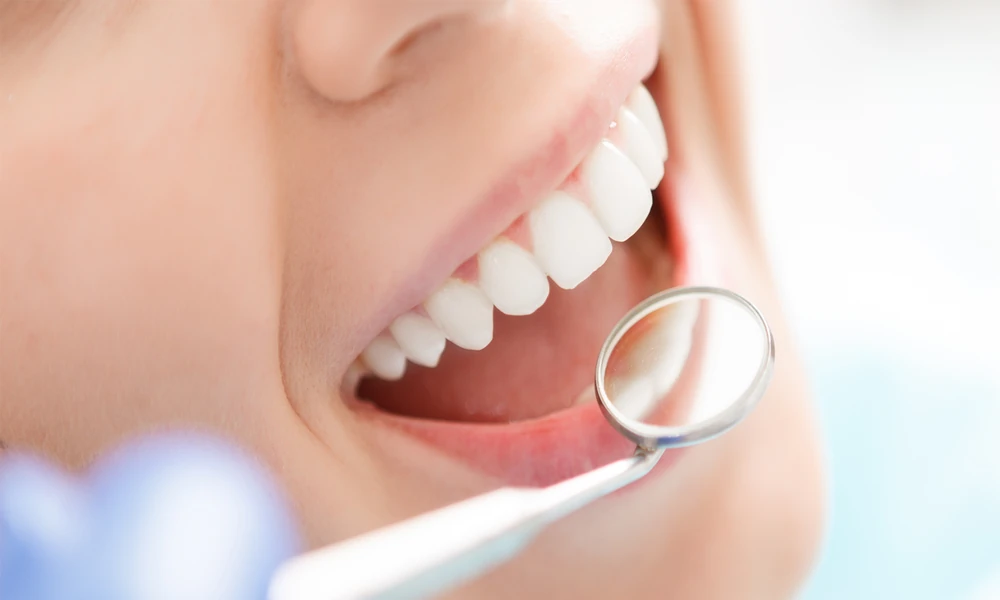
You can brush twice a day, floss when you remember, and still feel a little uneasy when a dental visit comes up. A lot of people assume an exam is just about finding cavities, getting a cleaning, and hearing whether they need to cut back on sugar. That misses the bigger picture. A full dental check does far more. It can uncover early gum problems, bite issues, signs of grinding, changes in the soft tissues of your mouth, and health concerns that do not hurt yet but can become expensive and disruptive if they go unnoticed. In some cases, these visits can also help you understand treatment options such as dental crowns in Leduc, AB.
That is why a comprehensive dental exam matters. A general dentist is not only looking for decay. They are checking how your teeth, gums, jaw, tongue, cheeks, and oral tissues work together, and whether anything looks off before it turns into pain, infection, or tooth loss. A routine dental evaluation can catch small changes early, when treatment is usually simpler and easier on your budget.
A dental exam shows the condition of your whole mouth
When people skip visits, it is often because nothing feels wrong. That makes sense. If you are not in pain, it is easy to assume everything is fine. The problem is that many dental issues stay quiet for a long time. Gum disease can start with mild bleeding when you brush. Teeth grinding can wear enamel down slowly, night after night. Oral tissue changes may not be obvious in the mirror. By the time symptoms show up, the problem is often larger and harder to fix.
According to MedlinePlus guidance on dental exams, an exam may include checking the teeth, gums, bite, jaw, and soft tissues, along with X-rays when needed. That means your appointment is not a narrow search for one issue. It is a broad look at oral health and the early warning signs your mouth may be sending.
This is where a full mouth dental exam becomes useful in a very real way. A dentist may spot receding gums around one tooth and ask about aggressive brushing. They may notice a crack line from clenching. They may see plaque collecting in the same hard-to-reach areas every visit, which tells you your brushing routine needs a small adjustment, not shame. These details can explain why a tooth feels sensitive, why your jaw aches in the morning, or why your breath never seems fresh no matter what mouthwash you buy.
Gum disease and oral cancer screening are part of the picture
One of the biggest things a thorough exam can reveal is gum disease. Many people think bleeding gums are normal. They are common, but they are not normal. Early gum disease can often be managed before it damages bone and loosens teeth. If ignored, it can move from irritation to deeper infection, and treatment becomes more involved.
The National Institute of Dental and Craniofacial Research explains the stages and warning signs of gum disease, including red or swollen gums, bad breath, and gums that pull away from the teeth. A general dentist checks for these changes during an exam because they often show up before you realize what is happening.
Soft tissue screening also matters. During a dental exam, the dentist may look at your tongue, cheeks, floor of the mouth, and other tissues for unusual patches, sores, or lumps. This is one way to watch for possible signs linked to oral cancer. Most findings are not cancer, but that is exactly the point. You want unusual changes noticed early, when next steps are clearer and outcomes are often better.
For people who smoke, vape, drink heavily, have dry mouth, or spend time in the sun without lip protection, these checks carry even more weight. Even without those risks, screenings still matter because not every serious issue announces itself with pain.
Small findings during a general dentist visit can prevent larger treatment later
A cavity usually starts small. So does a worn filling, a loose crown, or a spot where food keeps getting trapped between teeth. During a general dentist visit, these details can be caught before they turn into a weekend toothache or a broken tooth at dinner. That is the part many people do not see. Preventive care is often quiet. It saves you from problems that never get the chance to become emergencies.
You may also learn things that connect to daily life outside your mouth. Headaches can trace back to clenching. A chipped front tooth can point to bite stress. Dry mouth can raise cavity risk and may relate to medications. If you have ever thought, “Why does this one tooth keep bothering me?” a good exam often answers that with more precision than guesswork at home ever could.
What a dental exam can reveal compared with waiting for symptoms
| Issue | Found During an Exam | Often Found After Waiting |
|---|---|---|
| Early cavity | Small area that may need a simple filling or monitoring | Toothache, deeper decay, larger filling or root canal |
| Gum inflammation | Bleeding points, early pocket changes, home care guidance | Bone loss, loose teeth, deeper periodontal treatment |
| Teeth grinding | Wear patterns, jaw tenderness, custom night guard discussion | Cracks, broken teeth, chronic jaw pain |
| Soft tissue changes | Early screening and follow-up if needed | Persistent sore or lump noticed later |
| Failing dental work | Loose margin, wear, or leakage around old work | Broken restoration, decay underneath, sudden pain |
Simple steps help you get more from your next dental exam
Track what you have noticed. Write down bleeding, sensitivity, jaw soreness, dry mouth, bad breath, or one area that traps food. Small details help your dentist spot patterns faster.
Bring your health updates. Medications, supplements, recent diagnoses, pregnancy, and sleep issues can affect oral health. Dry mouth, grinding, and gum changes often make more sense once those pieces are on the table.
Do not wait for pain. Pain is a late signal for many dental problems. If something feels off, schedule a check before it becomes urgent. That is often the difference between simple care and more involved treatment.
Looking beyond cavities protects more than your teeth
Dental exams are about more than finding holes in teeth. They help catch the quiet problems, the ones that build in the background while life is busy and you are trying to keep up with everything else. If you have been putting off a visit because nothing hurts yet, that is often the moment when an exam can help most. Seeing a general dentist for an oral health exam gives you a clearer picture of what is going well, what needs attention, and what you can prevent next.
You do not need a crisis to have your mouth checked. You just need a reason to protect what is working before it starts slipping.