

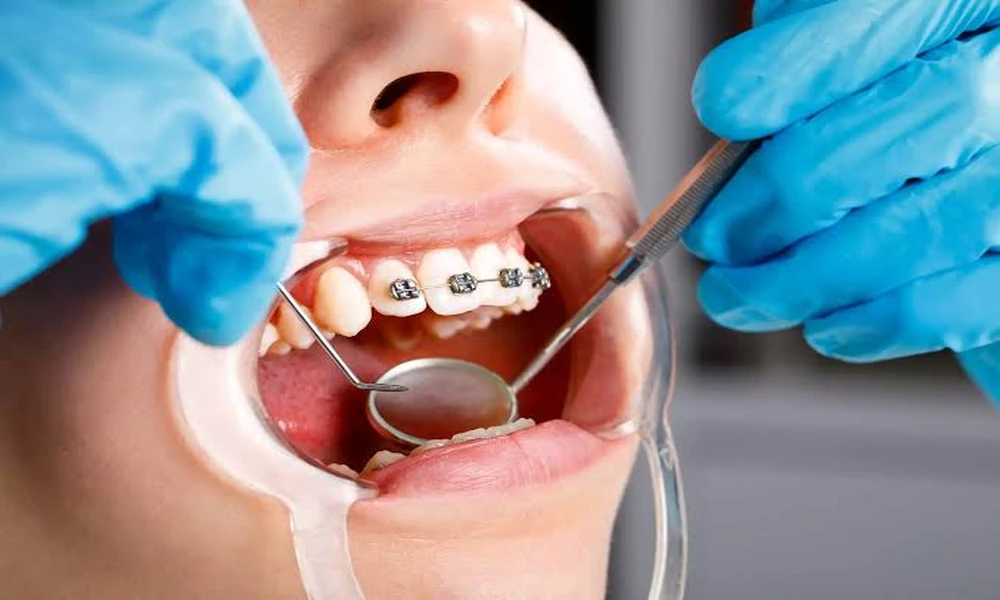
You want a better smile, not a different face. That tension is real. A lot of people love the idea of veneers or bonding until they start seeing results online that look too white, too square, or too perfect to feel believable. You may be thinking, “I want my teeth to look better, but I still want to look like me.” That is the right instinct. If you are also searching for an emergency dentist for broken tooth Bloomfield NJ, it is still possible to choose treatment that improves your smile while keeping your natural look.
The good news is that an overdone result usually does not happen by accident. It tends to come from rushed planning, one size fits all design, or materials that do not match the rest of your smile. The best cosmetic work blends in. It respects your face, your age, your lip line, and the way your natural teeth reflect light. If you are looking into dental veneers or bonding, the goal is not to copy someone else’s smile. It is to improve your own without losing what makes it natural.
Natural looking cosmetic dentistry starts with proportion, not whiteness
Bright white teeth get attention, but shape and proportion are what make a smile look real. Teeth that are too long, too flat, or too uniform tend to stand out first. That “done” look often comes from ignoring how the front teeth relate to the gums, lower lip, and surrounding facial features.
A family and cosmetic dentist should study more than the color chart. Your dentist should look at tooth width, edge shape, spacing, gum symmetry, and how much tooth shows when you speak and smile. Small differences matter. Slight rounding at the corners, subtle variation from one tooth to the next, and a finish that reflects light like enamel can keep a smile from looking artificial.
This is also where better materials make a difference. Research supported by the National Institute of Dental and Craniofacial Research continues to improve dental materials used in restorative care, which helps dentists create results that are more durable and more lifelike.
Five choices help you avoid an overdone veneer or bonding result
1. Choose conservative treatment when less will do. Not every cosmetic concern needs veneers. If the issue is a small chip, one dark spot, or minor unevenness, bonding may be enough. Removing less natural tooth structure often gives you more flexibility and a softer final result.
2. Match the shade to your skin tone and existing teeth. The whitest option is rarely the most believable one. If your new front teeth are much brighter than the rest of your smile, they can look separate from your face. A natural shade still looks clean and healthy without calling attention to the dental work itself.
3. Avoid making every front tooth identical. Real teeth are not clones. They have tiny differences in translucency, edge shape, and surface texture. If every tooth is the same width, same length, and same brightness, the result can look flat and manufactured.
4. Ask for a mockup before final treatment. A preview can save you from regret. Some dentists use wax ups, temporary mockups, or digital smile design so you can see the proposed shape before anything is bonded or placed permanently. This matters if you are worried about teeth looking too large or too square.
5. Work with a dentist who values restraint. Technique matters, but taste matters too. You want a dentist who hears “natural” and understands that you do not want a dramatic makeover. That usually shows up in the consultation. If the focus is only on making teeth whiter and bigger, that is a sign to slow down.
Overdone veneers and subtle bonding differ in planning, cost, and long term feel
People often assume the only risk is cosmetic, but the stakes are wider than appearance. If teeth are made too bulky, speech can feel off at first. If the bite is not balanced, you may notice pressure or chipping. If the result does not fit your face, you could end up paying to revise work that should have felt right from the start.
That is why avoiding fake looking veneers is partly an aesthetic issue and partly a planning issue. Your dentist should explain the tradeoffs clearly, including how bonding may stain over time, how veneers require more commitment, and how both need good home care. The National Institutes of Health offers a helpful overview of oral and dental health that supports the bigger picture. Cosmetic work lasts longer when the underlying teeth and gums are healthy.
| Option | Best For | Natural Look Advantage | Watch For |
|---|---|---|---|
| Dental Bonding | Small chips, gaps, minor reshaping | Usually more conservative and easier to keep subtle | Can stain or wear sooner than porcelain |
| Porcelain Veneers | Shape, color, and symmetry changes across visible teeth | Excellent light reflection and stain resistance when designed well | Can look bulky if over-prepped or overbuilt |
| Ultra white shade choices | People seeking a very bright smile | High contrast, very noticeable | Most common reason smiles look unnatural |
| Custom blended shades | Most cosmetic patients | Better match to skin tone, age, and nearby teeth | Requires careful planning and communication |
Material science also keeps moving forward. This NIDCR summary on dental materials reflects how ongoing research supports stronger, more esthetic restorations. Better materials help, but they do not replace careful design.
Clear steps help you get veneers or bonding that still look like you
Bring reference photos with restraint. Show smiles you like, then explain why you like them. Say if you prefer softer edges, less brightness, or a smile that does not look “done.” Photos work best when they start a conversation, not when they become a template.
Ask your dentist to explain shape, shade, and size choices. You should hear specific reasons, not vague reassurance. Why this shade instead of a brighter one? Why this length? Why veneers instead of bonding? A good cosmetic plan is detailed, and detail is what keeps results believable.
Do not skip the health check. Gum inflammation, grinding, and untreated decay can affect both appearance and longevity. If your dentist wants to stabilize oral health first, that is not a delay for no reason. It is how good cosmetic work stays attractive and functional.
Subtle smile enhancement is often the best cosmetic result
The best smiles rarely announce themselves. They fit your face, they move naturally when you talk, and they do not make people wonder what changed. If you are considering cosmetic dental veneers, bonding, or another form of smile improvement, trust your hesitation about anything that feels too extreme. That instinct usually protects you from a result that looks polished but not personal.
A careful family and cosmetic dentist can help you improve color, shape, and balance without crossing into that overdone look. You do not need a perfect smile. You need one that feels like yours.