

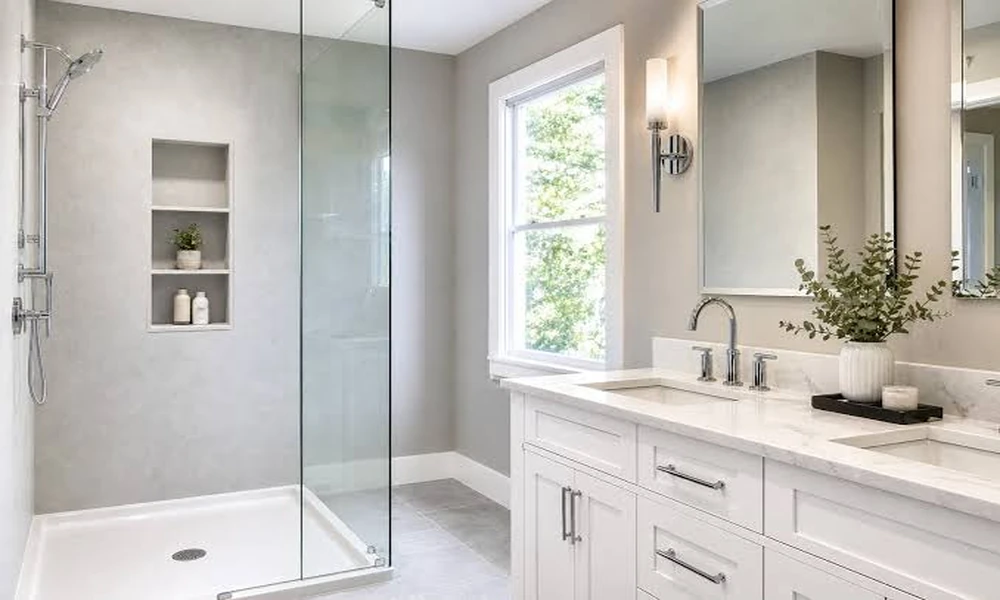
A well-planned bathroom needs fittings that support daily use while matching the overall design. Choosing suitable taps and showerheads requires attention to water pressure, material quality, installation needs and ease of cleaning. Each component should work properly with the existing plumbing system. Careful selection also helps prevent leaks and unnecessary repair costs. Simple designs can provide reliable operation without making maintenance difficult. Reach out to https://elegantbathandremodel.com/mesa/acrylic-shower-replacement/ for more information. The right choices create a practical washing area that remains useful for years while supporting efficient water use.
Choosing Fixtures for Daily Use
Matching Fittings with Bathroom Design
Select fittings that suit the wall finish and available space. A balanced appearance helps maintain a neat bathroom without adding unnecessary details.
Checking Water Pressure Before Installation
Water pressure affects spray strength and overall performance. Check the plumbing supply before purchasing equipment to avoid weak flow or fitting problems.
Selecting Durable Fixture Materials
Strong materials can withstand regular use and moisture. Choose corrosion-resistant finishes that remain attractive with simple cleaning and proper care.
Comparing Different Showerhead Styles
Different showerheads provide varied spray patterns. Select a suitable option based on personal preference and the available water supply.
Choosing Suitable Tap Designs
Tap designs should allow easy temperature control. Simple handles make adjustments easier while helping users maintain a steady water flow.
Considering Easy Cleaning Requirements
Smooth surfaces collect less visible residue when cleaned regularly. Choose fittings with accessible parts that simplify routine care and reduce buildup.
Reviewing Plumbing Connection Sizes
Check pipe sizes before buying replacement fittings. Correct connections support proper installation and reduce the chance of leaks around joints.
Improving Installation and Performance
Confirming Compatibility with Existing Walls
New fittings must suit the installed enclosure and plumbing layout. Review mounting points before making changes to avoid unnecessary drilling or damage.
Selecting Appropriate Water Controls
Temperature controls should feel simple to operate. Reliable valves help maintain consistent flow while allowing convenient adjustments during everyday use.
Checking Installation Support Requirements
Some fittings require professional installation to achieve reliable results. Discuss connection needs with a qualified installer before selecting complex components.
Reviewing Fixture Quality and Warranty
Reliable products often include clear warranty terms. Compare material details and manufacturer guidance before deciding which fittings offer lasting value.
Planning Practical Fixture Placement
Position controls where they remain easy to reach. Suitable placement improves access and reduces awkward movements during routine washing.
Supporting Better Water Efficiency
Water saving fittings can reduce unnecessary consumption without sacrificing useful spray performance. Check flow ratings before choosing a suitable model.
Maintaining Proper Sealing Around Fixtures
Careful sealing protects surrounding surfaces from unwanted moisture. Follow manufacturer instructions and inspect connections regularly to identify small leaks early.
Selecting compatible fittings begins with checking water pressure and connection sizes. Next, compare materials, controls and cleaning needs. Professional installation can help protect the enclosure and improve long term reliability. For additional guidance on replacement planning and installation options, visit https://elegantbathandremodel.com/mesa/acrylic-shower-replacement/. A clear plan helps homeowners choose practical components that suit their plumbing system while keeping upkeep manageable.