

You brush your teeth, catch your reflection, and something looks off. Maybe one tooth seems longer than it used to, or you feel a sharp sting when cold water hits the gumline. That kind of change is easy to dismiss at first, then hard to stop thinking about. Receding gums can feel minor until you start noticing sensitivity, visible roots, or bleeding when you floss. If you’re looking for family-focused dental care in Asheville, NC, paying attention to these early signs can help you get the right support before the problem worsens.
When a dentist checks gum recession, they are not only looking at how far the gums have pulled back. They are looking for the reason it happened, how much support the teeth still have, and whether the problem is stable or getting worse. What dentists look for when evaluating receding gums comes down to tissue loss, signs of gum disease, bone support, bite pressure, brushing habits, and your overall risk of future damage.
Dentists assess gum recession by looking for cause, severity, and tissue health
Gum recession is not a diagnosis by itself. It is a sign that something has been wearing down the gumline or weakening the structures underneath. A dentist starts with the basics. They look at how much of the tooth root is exposed, whether one tooth is affected or several, and whether the recession is mild, moderate, or advanced.
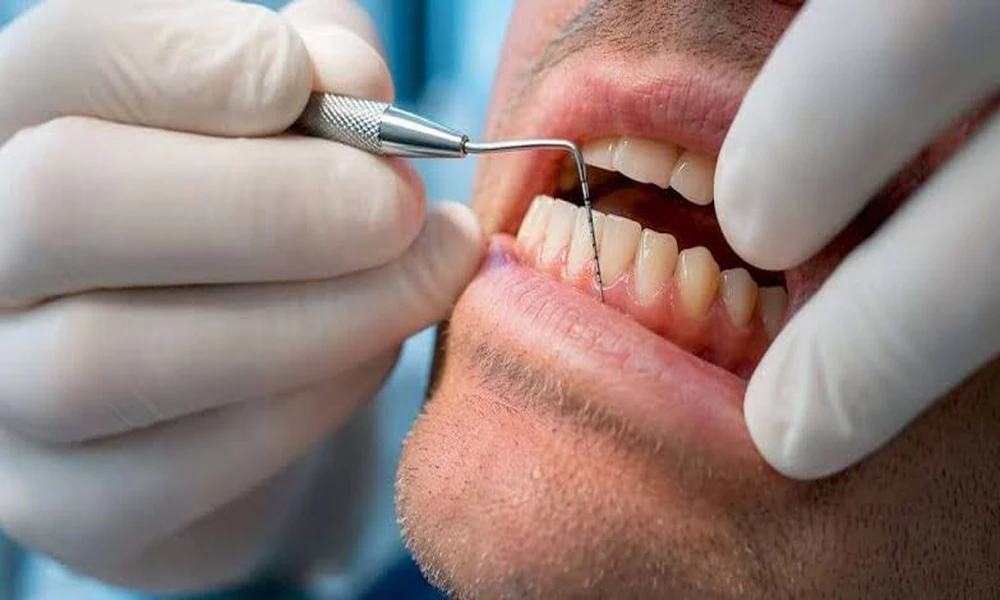
They also measure the small space between your teeth and gums. Deeper pockets can point to infection and bone loss. Shallow pockets with recession may suggest a different problem, such as aggressive brushing, clenching, or a thin natural gum type. That difference matters, because treatment changes based on the cause.
If your gums have been bleeding, feel swollen, or seem to be pulling away more each month, the concern shifts from appearance to support. The gum tissue protects the roots, but the bone under the gums is what anchors the tooth. If recession comes with bone loss, the stakes are higher.
This is why a gum recession evaluation often includes X-rays, pocket measurements, and a close review of your home care routine. A dentist may ask how hard you brush, what kind of toothbrush you use, whether you grind your teeth at night, and whether you have noticed shifting teeth or bad breath. Those details help connect the visible recession to the source.
Gum disease is one of the first concerns behind receding gums
Many cases of recession involve inflammation. Plaque and tartar collect around the gumline, the tissue becomes irritated, and the body starts losing attachment around the teeth. Early gum disease may cause redness and bleeding. More advanced disease can destroy bone quietly, even before pain starts.
The National Institute of Dental and Craniofacial Research explains gum disease as an infection of the tissues that hold teeth in place. The CDC also outlines common signs of periodontal disease and gum problems, including bad breath, loose teeth, and gums pulling away from the teeth.
You might assume recession only happens because you brushed too hard. Sometimes that is true. Sometimes it is part of a bigger pattern that includes untreated inflammation, smoking, diabetes, dry mouth, or years of missed cleanings. A dentist is trained to separate those causes instead of guessing based on appearance alone.
Tooth position, bite force, and brushing habits also shape the diagnosis
Not all receding gums come from infection. Teeth that sit outside the natural arch can have thinner gum coverage. A strong bite or nighttime grinding can create repeated stress near the gumline. Hard brushing with a stiff brush can wear away tissue slowly, especially near the canines and premolars.
This is where people often feel frustrated. You may have been trying to do the right thing by brushing thoroughly, only to find out the pressure was part of the problem. A general dentist will look at wear patterns on the teeth, notches near the gumline, and signs of clenching. That helps explain why recession may be isolated to a few spots instead of spread evenly across the mouth.
Receding gums treatment depends on what the exam shows. Some people need better plaque control and professional cleanings. Others need a softer brushing technique, a night guard, desensitizing products, or referral to a gum specialist if grafting is the best way to protect exposed roots.
Home assumptions and professional findings are not the same thing
| What You Notice at Home | What a Dentist Checks | Why It Matters |
|---|---|---|
| Teeth look longer | Amount of root exposure and tissue loss | Shows how advanced the recession is |
| Sensitivity to cold | Exposed root surfaces, enamel wear, decay risk | Helps guide protection and pain relief |
| Bleeding when brushing or flossing | Inflammation, pocket depth, plaque and tartar buildup | Can signal active gum disease |
| One area keeps getting worse | Bite pressure, tooth position, brushing pattern | Points to mechanical stress instead of infection alone |
| Loose or shifting teeth | Bone support on exam and X-rays | May mean deeper structural loss |
Early action can protect your teeth and lower treatment needs
Recession rarely reverses on its own. The goal is usually to stop it from progressing, reduce sensitivity, and protect the root surface from decay and further wear. If the problem is caught early, treatment is often simpler and less expensive. If it is ignored, you may end up dealing with deeper cleanings, grafting, or tooth instability later.
A dentist for receding gums looks beyond the gumline because the visible part is only one piece of the picture. Two people can have the same amount of recession and need very different care. One may need a cleaning and brushing changes. The other may need periodontal treatment because the supporting bone is already affected.
Three steps you can take right away
1. Check for patterns, not isolated moments. Notice whether the recession is in one area or several, whether sensitivity is getting stronger, and whether your gums bleed often. That information helps your dentist spot the likely cause faster.
2. Switch to gentle brushing today. Use a soft bristle toothbrush, light pressure, and small circular motions along the gumline. If the bristles flatten quickly, you are brushing too hard.
3. Schedule an exam before symptoms grow. If you can see exposed roots, feel tenderness, or notice changes in tooth shape, get it checked. Waiting gives inflammation, wear, or bone loss more time to progress.
Receding gums deserve a careful dental evaluation
If your gums seem to be pulling back, you are not overreacting by paying attention. That small change can point to irritation, gum disease, bite stress, or tissue that needs protection. A general dentist evaluates the cause, measures the damage, and helps you stop further loss before it turns into something harder to treat.
You do not need to guess what is normal. If recession, bleeding, or sensitivity has become part of your daily routine, make an appointment with a general dentist and get a clear answer.