

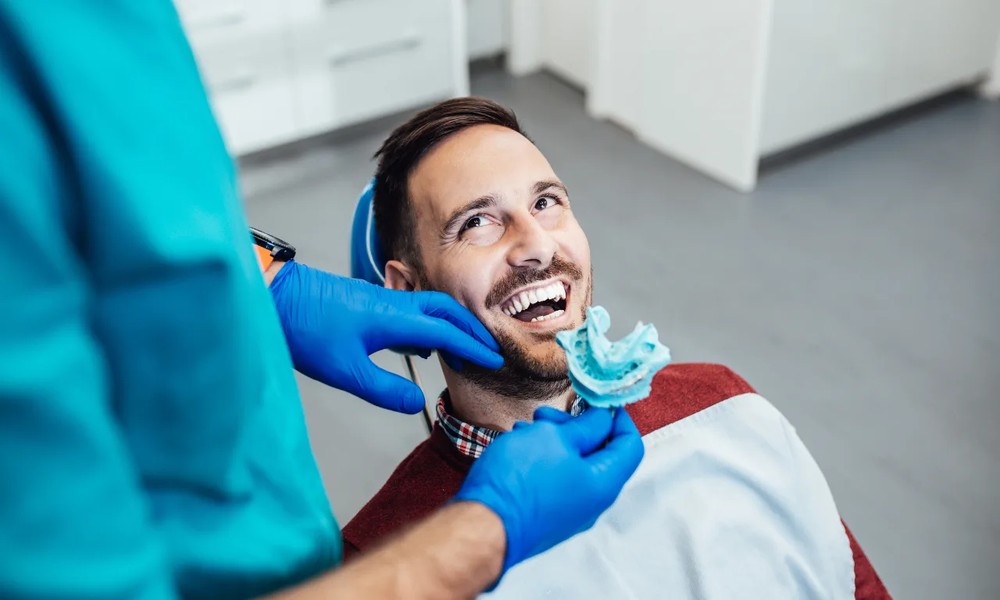
The dental restoration industry has evolved significantly over the last decade, driven by increasing patient expectations, digital workflows, and the demand for durable yet aesthetically pleasing outcomes. Today, dental professionals are relying on advanced restorative materials that combine strength, precision, and natural appearance to support a wide range of prosthetic applications.
From crowns and bridges to temporary restorations and full dentures, innovations in restorative technology are helping laboratories and clinicians improve efficiency while delivering long-lasting patient satisfaction.
The Growing Demand for lithium disilicate Restorations
One of the most preferred materials in cosmetic and restorative dentistry today is lithium disilicate. Known for its superior translucency and natural appearance, this material has become a popular choice for anterior and posterior restorations.
A well-designed lithium disilicate crown offers multiple advantages, including:
- High aesthetic appeal with tooth-like translucency
- Excellent marginal fit and precision
- Strong resistance to fractures and chipping
- Compatibility with modern CAD/CAM systems
These characteristics make lithium disilicate especially valuable for patients seeking restorations that blend seamlessly with natural dentition while maintaining durability for everyday function.
Understanding the Role of PMMA Dental in Dental Applications
Temporary restorations play a critical role in restorative and prosthetic dentistry. This is where PMMA dental material continues to remain highly relevant.
Widely used for provisional crowns, bridges, and denture applications, PMMA dental solutions are appreciated for their lightweight structure, ease of milling, and affordability.
Some major benefits include:
- Smooth surface finish for enhanced patient comfort
- Easy customization during temporary restoration procedures
- Reliable short-term strength
- Efficient fabrication through digital workflows
As digital dentistry becomes increasingly integrated into laboratories worldwide, PMMA dental material supports faster production cycles while maintaining consistent restorative quality.
Why zirconia disk Solutions Are Transforming Dental Manufacturing
Modern dental labs are increasingly investing in advanced milling systems and high-performance ceramic materials. Among these, the zirconia disk has emerged as an essential component in CAD/CAM-based restorative fabrication.
Zirconia is highly regarded because of its:
- Exceptional mechanical strength
- Long-term durability
- Biocompatibility
- Natural tooth-colored appearance
These properties make zirconia suitable for crowns, bridges, implant restorations, and full-arch prosthetics. In addition, advancements in multilayer zirconia technology now allow restorations to achieve enhanced translucency without compromising structural integrity.
Dental professionals also appreciate the efficiency zirconia disk systems bring to digital manufacturing workflows, reducing turnaround times while supporting highly accurate restorations.
The Importance of high-quality denture base resin
Complete and partial dentures continue to require dependable foundational materials that provide both comfort and structural stability. This is where high-quality denture base resin becomes essential.
Modern denture base materials are designed to improve:
- Fracture resistance
- Dimensional stability
- Patient comfort
- Long-term wear performance
High-performance denture resins also contribute to better aesthetics and improved adaptation, helping dental professionals create prosthetics that feel more natural for patients.
How Digital Dentistry Is Influencing Material Selection
The rise of intraoral scanners, CAD/CAM systems, and automated milling technologies has transformed how restorative materials are evaluated and selected. Dental laboratories are now prioritizing materials that integrate seamlessly into digital workflows while maintaining clinical reliability.
Today’s restorative materials are expected to deliver:
As a result, advanced ceramic and polymer-based materials continue to gain traction across the dental industry.
Shaping the Future of Restorative Dentistry
The future of restorative dentistry depends heavily on material innovation and digital adaptability. Whether working with lithium disilicate restorations, PMMA dental material applications, or advanced zirconia disk systems, dental professionals are increasingly focused on achieving the ideal balance between aesthetics, strength, and workflow efficiency.
At the same time, dependable solutions like high-quality denture base resin continue to support the evolving demands of modern prosthetic dentistry. As technology advances further, material selection will remain one of the most important factors influencing restorative success and patient satisfaction.