

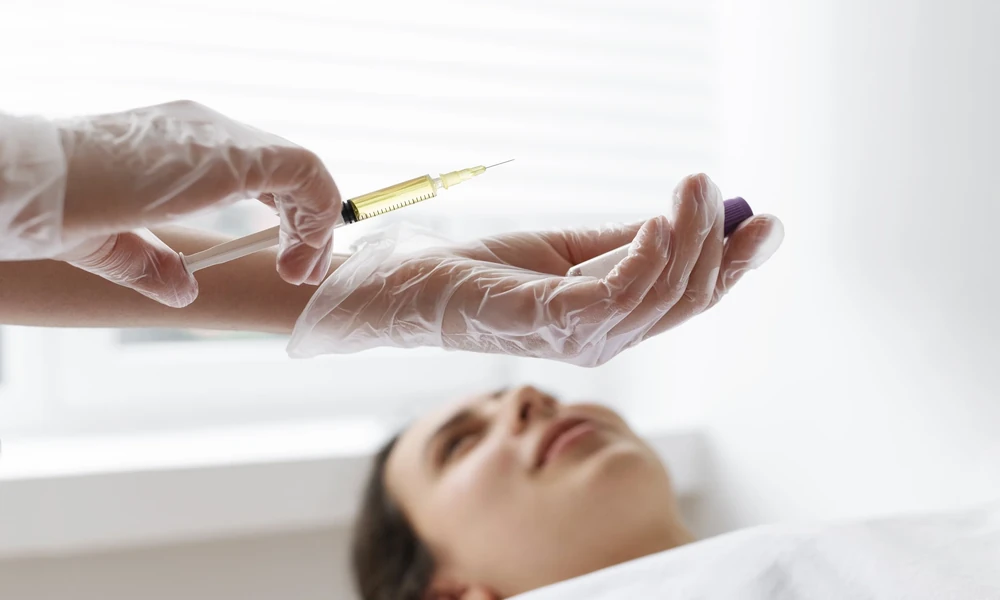
Facial skin takes damage constantly, from sun exposure and minor procedures to small tears that daily life inflicts, and repair quality determines how that skin looks years later. Clinical material published at plasticsurgerykey.com covers copper peptide extensively in this context. This is because the compound acts at every stage of the repair process rather than just one. Its role runs from the first hours after damage through the slow remodelling that follows, and each stage is explained below.
Facial wound closure
Closure is where the peptide proves its worth. Damaged facial tissue releases GHK naturally when proteins break down at injury sites. This fragment binds available copper to form the active complex on the spot. Concentration of the complex around wounds rises sharply in the first days, drawing repair cells toward the site. It accelerates the migration of fibroblasts, multiplies the number of keratinocytes along the wound edges, and initiates the spread of new epithelium in the absence of treatment. A wound’s speed plays a particularly important role in determining whether it will form visible scarring on the face. Slow closure invites thick scar formation. Faster epithelial coverage keeps the repair flat and even.
Damaged collagen replacement
Replacement of broken structural protein follows closure, and it proceeds in a fixed order: Copper availability sets the pace at every point, which is why the complex outperforms free peptide alone.
- Enzymes clear away collagen fragments too damaged to be kept, making room for fresh material.
- Fibroblasts, supplied with copper for their cross-linking enzymes, lay down new fibres in the cleared space.
- Lysyl oxidase locks those fibres together, building strength that young tissue lacks at first.
Repair signal coordination
Coordination may be the compound’s most distinctive contribution, because facial repair involves dozens of cell types that must act in sequence rather than at once. Growth messengers, inflammation signals, and shutdown commands all shift under treatment, keeping each phase from overrunning the next.
- Inflammation timing control – Inflammation, clearing debris is necessary during the early stages, yet lingering inflammation destroys new tissues as fast as they are being created. Treated wounds show inflammatory markers rising on schedule and falling on schedule, a pattern that protects the delicate rebuilding work underneath. Balanced signalling of this kind explains why repair under the peptide tends toward clean outcomes rather than raised or discoloured ones.
Post-repair remodelling
Remodelling continues for months after a wound heals, as tissue slowly replaces its emergency repair material with properly organised fibres. First versions of repaired collagen sit in random bundles, functional but stiff, and visibly different from surrounding skin. Under continued peptide presence, that early material turns over faster. Disorganised bundles give way to aligned fibres matching the surrounding dermis, elastin returns to the repaired zone, and the boundary between old and new tissue fades. The final stage of the facial process is crucial to the final result, since a technically closed wound still stands out until the remodelling process is complete.
The copper peptide is found at all four stages of facial repair. It accelerates closure, promotes collagen replacement, coordinates cell type signals, and drives skin remodelling because it blends with its surroundings when repaired. Because it is present at every stage instead of just one, it appears consistently in clinical discussions of facial healing, which distinguishes it from single-action ingredients.