

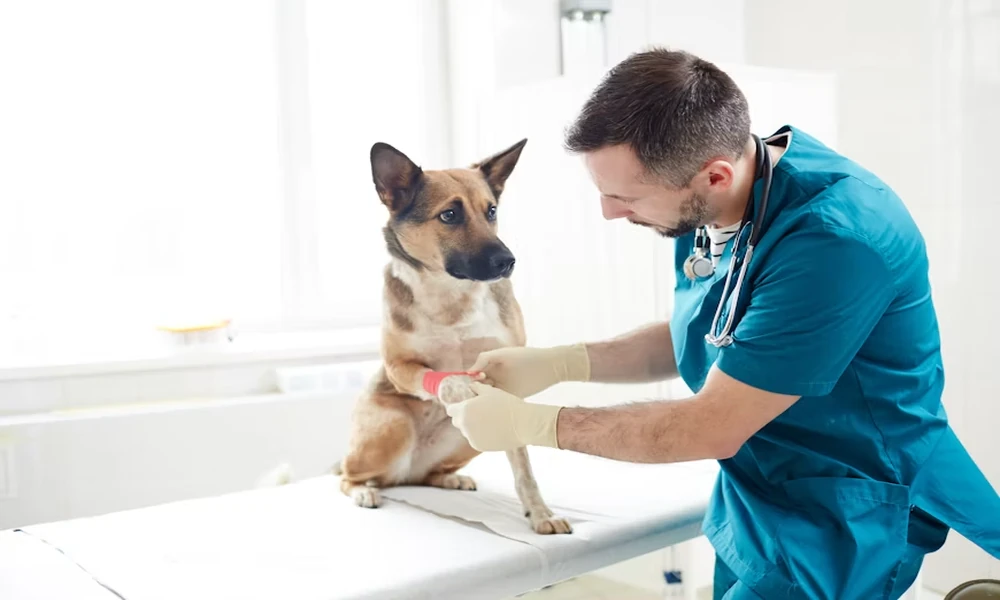
You do not plan for a pet emergency. It usually starts with something small that turns serious fast, a dog that cannot stand up, a cat struggling to breathe, a pet that ate something toxic late at night when your regular clinic is closed. In that moment, your brain is racing, your pet is scared, and you need help that is ready right then, not tomorrow morning. That is where How Animal Hospitals Provide 24/7 Emergency Support, including access to veterinary in Warwick, Bermuda, becomes more than a topic. It becomes the difference between waiting and acting.
Round the clock veterinary care exists for this exact reason. Emergency animal hospitals stay open every hour of the day because injuries, poisonings, seizures, heatstroke, blocked urination, and sudden collapse do not follow business hours. The goal is simple. Stabilize the pet, find the cause, treat what can be treated immediately, and keep owners from facing a crisis alone.
24 hour animal hospitals are built for urgent, unstable cases
A routine clinic is designed for scheduled exams, vaccines, skin issues, follow ups, and ongoing care. An emergency hospital is designed for the cases that cannot wait. That difference shapes everything, from staffing to equipment to decision making.
When you arrive at a 24 hour animal hospital, the first step is triage. Your pet is assessed quickly so the team can decide who needs treatment first. If two pets arrive at once, the one having trouble breathing or bleeding heavily will go first. That can feel hard when you are worried and waiting, but triage is how emergency teams protect the sickest animals first.
These hospitals also keep diagnostic tools ready at all hours. Bloodwork, oxygen support, imaging, pain control, IV fluids, and emergency surgery access are often part of the setup. Large teaching hospitals such as the Washington State University 24 hour emergency service and the University of Illinois Veterinary Teaching Hospital show how this model works in practice, with emergency teams, specialists, and advanced hospital resources available for urgent cases.
This is also why costs can feel higher than expected. You are not paying only for a visit. You are paying for immediate access to trained staff, overnight coverage, monitoring, equipment, medications, and the ability to respond fast when a pet’s condition changes in minutes.
Emergency veterinary support depends on speed, staffing, and constant monitoring
The hardest part of a pet emergency is that symptoms can look vague until they are not. Vomiting might be stomach upset, or it might be a bowel obstruction. Lethargy might be pain, internal bleeding, or a toxin. A cat straining in the litter box might look constipated, but in male cats it can signal a urinary blockage that becomes life threatening quickly.
This is where emergency veterinary support matters. A staffed hospital does more than answer the phone. It keeps veterinarians, technicians, assistants, and front desk teams moving together through urgent cases. One person places a catheter, another checks blood pressure, another draws labs, and the veterinarian decides whether the pet needs oxygen, imaging, surgery, or admission for overnight care.
The FDA’s pet emergency guidance explains that poisonings, breathing problems, severe trauma, seizures, and collapse are all reasons to act quickly, and it also helps owners know who to call if you have a pet emergency. That matters because many owners lose time second guessing themselves. If your pet cannot breathe normally, cannot urinate, has uncontrolled bleeding, has been hit by a car, or is suddenly unresponsive, waiting to see if things improve can make treatment harder and outcomes worse.
There is also an emotional side people do not talk about enough. You may feel guilty for not noticing signs sooner. You may worry about the cost before you even walk in. You may be trying to make decisions while your child is crying in the back seat and your pet is shaking in a carrier. Good emergency hospitals know this. The better ones explain what they are seeing, what needs to happen first, and what can wait until your pet is stable.
Animal hospital emergency care differs from waiting at home
| Situation | Waiting at Home | Animal Hospital Emergency Care |
|---|---|---|
| Breathing trouble | Condition may worsen within minutes | Oxygen support, rapid exam, imaging, medication |
| Possible poisoning | Delay can increase toxin absorption | Toxicology guidance, induced treatment plan, monitoring |
| Severe vomiting or diarrhea | Risk of dehydration and shock | Fluids, lab work, anti nausea treatment, admission if needed |
| Hit by car or major trauma | Internal injuries may not be visible | Pain control, imaging, stabilization, surgery assessment |
| Male cat straining to urinate | Blockage can become fatal fast | Immediate decompression, labs, catheterization, monitoring |
The value of a hospital is not just treatment. It is timing. Home observation has a place for mild issues your regular veterinarian has already discussed with you, but 24/7 pet emergency care is built for the moments when time changes the outcome.
Three steps help you act faster during a pet emergency
1. Know your nearest emergency animal hospital before you need it. Save the number, address, and route in your phone. If you travel with your pet, find a backup hospital near places you visit often. In a crisis, even five minutes spent searching feels long.
2. Call on the way and describe the problem clearly. Say what happened, when it started, and what your pet is doing right now. Mention possible toxins, medications, injuries, and breed, size, or age if relevant. The team can tell you whether to come in immediately and how to transport your pet safely.
3. Bring what the hospital needs to move quickly. Take any medication bottles, photos of what your pet may have eaten, vaccine records if easy to grab, and a list of symptoms. If your pet is unstable, skip the paperwork hunt and just go. The care team can sort details out after your pet is assessed.
Fast access to animal hospital care gives you options when every minute feels heavy
No one feels fully prepared when a pet is in trouble. You just need a clear next step, and that is what emergency hospitals are there to provide. They are staffed, equipped, and organized for the cases that cannot wait, which is exactly how animal hospitals provide 24 7 emergency support when your regular clinic is closed and your pet needs help now.
If your pet is showing signs of a serious problem, contact an emergency animal hospital right away. Quick action gives your pet the best chance at prompt care and gives you real guidance when you need it most.