

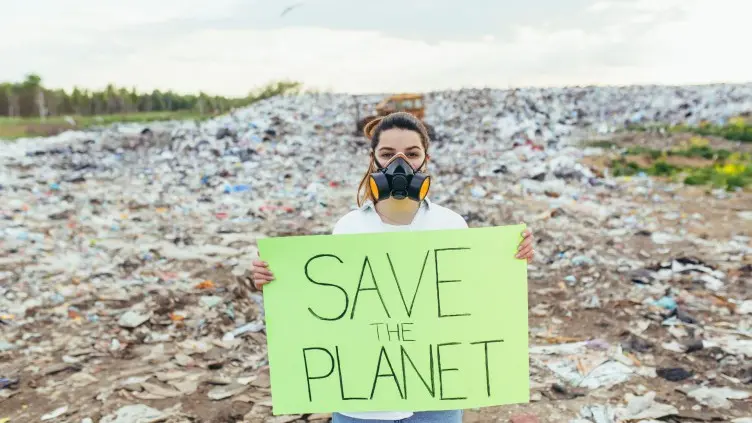
Overflowing landfills are no longer a distant threat; for many major cities, they are a daily crisis. As urban populations surge and consumption rates follow, the pressure on existing waste management systems intensifies. Nowhere is this more evident than in the challenge of dealing with bulky waste, like used mattresses, which often escape conventional recycling streams and linger in landfills for generations. Yet, a wave of innovative recycling methods is fundamentally shifting the landscape, offering hope for a future where landfill pressure is finally relieved.
The Rising Challenge of Landfill Overload in Major Cities
Cities today generate more waste than ever before, with rapid urbanization, shifting consumption patterns, and short product life cycles feeding an unrelenting stream of refuse. Household items such as mattresses, sofas, and electronics quickly become obsolescent, while the traditional approach, hauling this material to landfills, has reached a breaking point. In Canada, vast regions have witnessed landfill sites reaching capacity, sparking urgent calls for alternatives that go beyond incremental improvements.
The stakes are high. Landfill saturation brings not only environmental consequences, with methane emissions and leachate polluting local ecosystems, but also social challenges. Communities living near full landfills face declining air and water quality, while municipalities are forced to consider expensive, and often unpopular, new landfill sites.
What solutions can address both the rising tide of waste and the limitations of the landfill model? Increasingly, the answer involves rethinking how materials are collected, processed, and given a second life.
Breakthrough Technologies Transforming Mattress Recycling
Innovative recycling methods have changed what is possible with even the toughest waste challenges. Mechanical dismantling now allows for precise separation of mattress components, salvaging steel, foam, fabric, and wood in high volumes. Instead of a single bulky item clogging a landfill for a century, these resources are efficiently recovered and fed back into manufacturing streams.
Chemical recycling takes recovery a step further, targeting polyurethane foams and complex textiles that would otherwise be destined for incineration or perpetual burial. These processes break down materials at a molecular level, enabling the production of new, high-quality polymers and fibers.
No discussion of mattress recycling innovation is complete without mentioning Recyc-Matelas Canada. Since 2007, this enterprise has pioneered large-scale mattress dismantling and valorization, leveraging unique technologies to process massive quantities of waste. Their projects have proven that landfill alternatives are both scalable and economically viable, especially in dense urban contexts where the pressure is greatest.
Scaling Recycling Efforts to Meet Urban Demands
While breakthroughs in recycling technology are impressive, urban settings introduce unique challenges. High population density, limited space for facilities, and complex logistics can complicate collection and processing. The reality is, moving from one-off recycling initiatives to city-wide solutions requires robust infrastructure, dedicated sorting centers, specialized transportation networks, and smart tracking systems that ensure end-to-end accountability.
Municipalities and private enterprises increasingly collaborate to overcome these hurdles. Targeted policy incentives, such as landfill fees or mandatory recycling directives, help align market forces with sustainability goals. At the same time, public-private partnerships allow for shared investment in advanced facilities and innovative pilot projects.
Environmental and Socioeconomic Benefits of Advanced Recycling
The environmental benefits are direct and dramatic. Programs targeting zero waste have made it possible for entire categories of waste, notably mattresses, to avoid landfill disposal altogether. In Quebec and Ontario, more than 400,000 mattresses are recycled each year, with none ending up in landfill. France has surpassed a million annually. These efforts divert thousands of tonnes of material while dramatically reducing greenhouse gas emissions.
Yet, the rewards extend further. Innovative recycling models often spur new employment opportunities, particularly when designed to be socially inclusive. For instance, some programs intentionally hire individuals facing employment barriers, creating stable jobs and pathways to social reintegration while advancing environmental goals.
When measuring carbon footprint reduction, the data tells a compelling story. Every mattress recycled instead of landfilled saves both space and emissions, contributing to resource recovery and a healthier urban environment.
Expanding Impact: Lessons from Canada to Europe
Success stories ripple outward. The model that began in Canada has found fertile ground in Europe, with cities and countries eager to replicate proven approaches. Harmonizing recycling policies, developing consistent industry standards, and fostering knowledge exchange now underpin a cross-continental movement toward a circular economy.
This global momentum signals a future where waste is not simply managed but transformed. As cities race to innovate, the lessons learned from pioneers like Recyc-Matelas Canada will be central to shaping the next era of sustainable urban living. The result? Less waste in the ground, more value in the system, and cities that can breathe easier.