

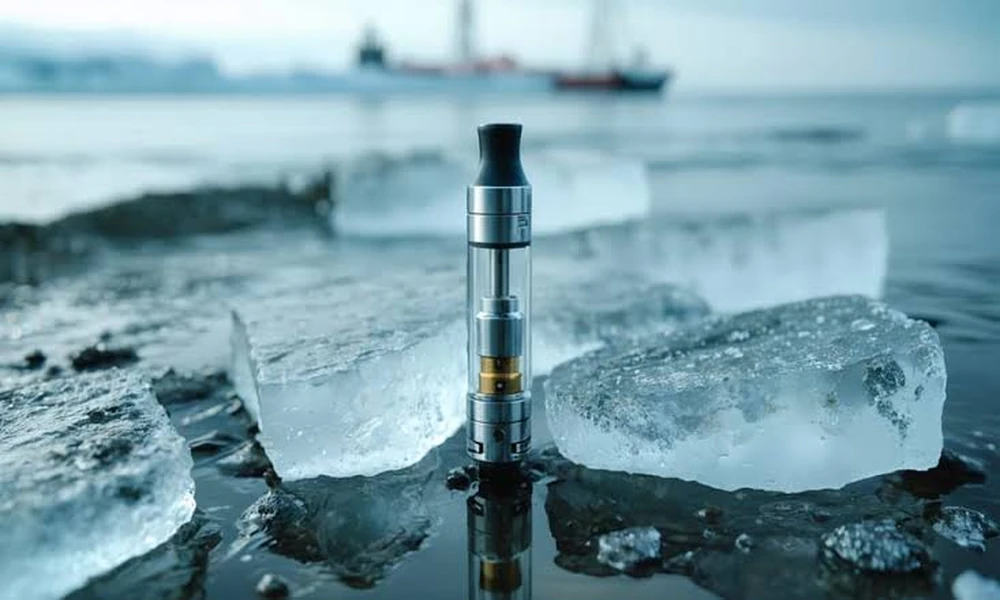
In the ever-changing market of cannabinoid products, THCA vape cartridges are starting to make quite a wave. This means that any customer or cannabis expert studying cannabis chemistry must know the difference between the raw substances and their active forms in order to make the right choice.
What does THCA mean?
THCA or Tetrahydrocannabinolic acid is a non-psychoactive cannabinoid found in large quantities in the raw cannabis plants. In contrast to Delta-9 THC, the most important psychoactive substance responsible for the “high” sensation of marijuana, THCA does not lead to a state of intoxication when in its raw form.
Nonetheless, thca vape carts undergoes rapid chemical transformations due to the process known as decarboxylation. This is the reason why vaping THCA oil gives you the same result one would get with THC: the device does everything on its own.
How THCA Vape Cartridges Work
THCA vape cartridges are generally manufactured to connect with regular 510-threaded batteries. These batteries heat the concentrated oil to the temperature that is sufficient to stimulate the process of decarboxylation but does not go above the point of combustion.
Accordingly, most consumers enjoy the ease and discretion that these cartridges deliver. By allowing for rapid absorption into the bloodstream via the lung, these cartridges enable users to feel the effects within minutes from consumption. Further manufacturing innovations help create terpenes with rich profiles, which advance flavors and aromas beyond what regular distillate vapes offer.
Safety Impact Considerations
As the cannabinoid product market suggests growing number of product offerings, it is still important to remain cautious:
- Legal Status: Be aware of the laws in your area. Many jurisdictions around the globe – especially in India, where producing, selling, and possessing cannabis resin and flowers is against the Narcotic Drugs and Psychotropic Substances (NDPS) Act.
- Contamination and Quality: The absence of standardized federal regulations implies that the quality of a product may significantly differ. Inhalation of inferior quality concentrates entails the possibility of simultaneous exposure to harmful substances such as Vitamin E acetate (which is linked to lung complications like EVALI), heavy metals from the heating coils, or even pesticides and chemical compounds.
- Health Hazards: The mere act of vaping exposes the user to major risks of inhalation. Moreover, since the THCA is transformed into THC during the heating process, the user runs the risk of consuming more THC than expected, causing potentially severe psychological problems like anxiety, paranoia, or addiction.
Conclusion
When it comes to using the products made from cannabinoids, consumer safety comes down to the amount of transparency provided by manufacturers. It is advised to take care of your health and make sure to check the legal status of such products before using them.