

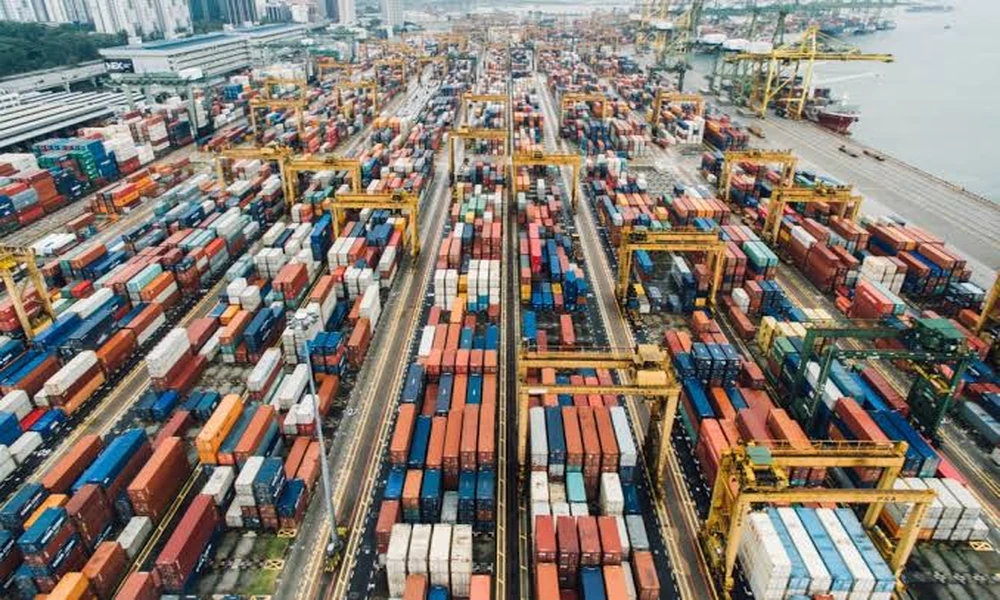
Japanese importers want outer packaging with no mistakes. They need papers that use the right system for units and have no errors. There are strict rules on health, safety, and trade, and you have to follow every one. If you do, your goods will pass customs fast. It will help you avoid trouble at the port, which can cost a lot. When you do things the right way, you also build good business ties in Japan that last.
Decoding the Rigorous Standards of Japanese Commerce
Getting into the Japanese market can help global suppliers grow fast. But there are rules that are not like those in other countries. Local buyers and customs in Japan check things closely. This check might surprise their partners from other places. In Japan, people look at packaging as proof that a product is good. A mistake in paperwork is seen as a big problem for the rules. If regulations are not followed, they can reject or get rid of what is shipped right away.
When you work with shipping from thailand to japan, you have to check that each part of your supply chain follows the Japanese Industrial Standards (JIS), the guidelines by the Health, Labour and Welfare,” and Food, Forest and Fish rules. You need to know these rules well. This helps you keep good business ties and makes customs steps go easy in Japan.
Physical Packaging Standards: Zero Defect Tolerances
Japanese importers want boxes to be strong. They need them to be clean as well. The way the boxes look is important to them. This matters for big shipping boxes and for the packages that go on the shelf.
Outer Carton Specifications & Transit Durability
- Double-Walled Corrugated Strength: A single-wall box is not strong enough when you send things to Japan. Importers need double-walled boxes, such as BC-flute or EB-flute. These tough boxes handle the weight well and do not get bent out of shape.
- Palletization and ISPM 15 Compliance: All solid wood used for packing, such as dunnage, pallets, or crates, must be heat-treated or fumigated by ISPM 15 rules. The items also need to show the IPPC stamp.
- Cleanliness and Moisture Barrier: Cartons must be clean and have no water marks, dust, oil stains, or bent corners. When you ship through places with high humidity, you need something inside that absorbs moisture, such as desiccants. Also, use waterproof stretch wrap.
Japanese Industrial Standards (JIS) Alignment
The size and strength of packaging must meet the Japanese Industrial Standards. Transport packaging is tested by following the JIS Z 0200 rules. In Japan, the standard pallet size is 1,100 mm by 1,100 mm (T11 type). This size makes it easy to use space for storage and automated movement.
Regulatory Compliance Frameworks
Before products get to Japan, they must meet the safety rules set for their industry. The regulatory ministries are the ones who look after these rules.
Food Sanitation Act (MHLW)
All food brought in, things put in food, and things that touch food like tools, pans, and main wrappers need a Notification Form for Importation of Foods. You have to send this form to the Ministry of Health, Labour and Welfare. Food needs to be checked for stuff like pesticides, heavy metals, and allowed food additives. You need to do this testing before you can give out the food.
Japanese Labeling & Cultural Expectations
Packaging that people see in shops has to meet strict Japanese rules for labels. A label in another language usually will not be sold to shoppers unless the label has the right Japanese text added on top of it.
- Language Requirement: The Japanese text should be easy to read and correct. Use Kanji, Hiragana, or Katakana. Use the product name. Put the list of what goes into it, with the main parts first. Show how much the pack has, the date it goes bad, and how to keep it safe. There needs to be a spot for the manufacturer or importer address. Add warnings about what can hurt someone.
- Allergen Declarations: In Japan, labels need to show if there is shrimp, crab, wheat, buckwheat, egg, milk, or peanut in the product.
- Good Packaging: A nice pack is important. Stickers and text must look clean. Too much glue, rough corners, or marks do not look good. These things make the product feel bad. Quality teams in Japan often say no to products with these problems.
Frequently Asked Questions (FAQ)
What is an IOR and ACP in Japanese customs clearance?
An Importer of Record (IOR) in Japan is a company or person that pays tax, duty, and follows all the needed rules. If a business from outside Japan does not have a company in Japan, they must choose an Attorney for Customs Procedure (ACP). This person will be there for them and help with customs steps.
Can I ship wooden pallets to Japan without treatment?
No. All raw wood packaging materials that are not made need to meet ISPM 15 standards. These materials must get heat-treated (HT) or be fumigated. They also need the IPPC mark to show the treatment. If the materials do not have it, they will be held or destroyed at the port when they arrive.
How strict are Japanese customs regarding document typos?
Very strict. Small mistakes like using the wrong company name or missing the HS code number, or if the weight shown on the invoice does not match the packing list, can stop the container from being cleared. This can take several days. It may also lead to a full container inspection.
Conclusion
To do well in the Japanese market, you have to make your logistics and paperwork better. You also need to watch product quality. Japan has some of the hardest rules for imports. Use double-wall boxes for your products. Write all amounts in metric in your paperwork. Get marks to show your product is safe, like PSE and notices from MHLW. Make labels that are ready for Japan.
Doing these things helps you build trust with buyers fast. Work with skilled shipping partners. Set steps for shipping from thailand to japan. This keeps your supply chain easy to manage. It also helps you follow their rules and make more money over time.