

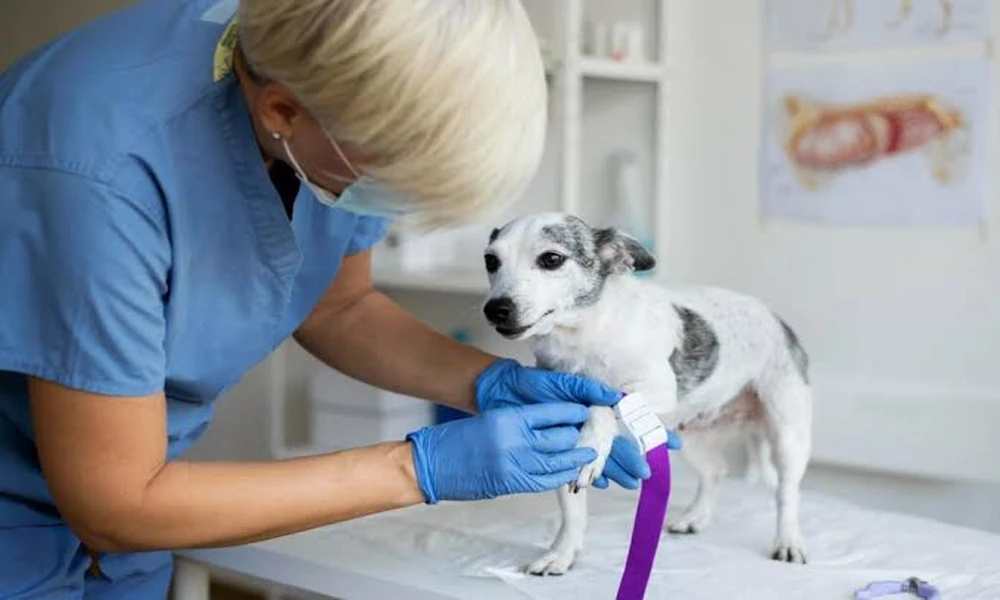
You hand over your pet for surgery, then wait with your phone in reach and your stomach tight. Most people think first about the procedure itself, whether the mass will come off cleanly, whether the repair will hold, whether the anesthesia will go smoothly. Pain can feel like a second issue until you picture your pet waking up confused, sore, and unable to tell anyone what hurts. That is the core truth here. In veterinary surgery pain management, including orthopedic veterinary surgery in Chicago, comfort is not an extra. It shapes safety, healing, appetite, movement, stress levels, and recovery.
A skilled surgical veterinarian does not treat pain as something to address after the fact. Pain control starts before the first incision, continues during the procedure, and stays in focus through recovery at home. When that plan is done well, pets often breathe easier, wake more calmly, move sooner, and face fewer setbacks.
Pain control in veterinary surgery affects the whole recovery process
Pain changes the body fast. Heart rate rises, stress hormones climb, muscles tense, and rest becomes harder. In a pet recovering from surgery, that stress can slow healing and make basic needs harder to meet. A dog with untreated pain may refuse food, resist walking, or lick at an incision. A cat may hide, stop grooming, or become still and quiet in a way that looks calm but is not. You can miss pain in animals because they often do not cry out the way people expect.
This is why pain control for animal surgery matters so much. It protects more than comfort. It supports circulation, breathing, sleep, and early movement, all of which affect how well the body repairs itself. Research and animal welfare guidance from the USDA stress the need for reducing animals’ pain and distress whenever procedures are performed. That standard exists for a reason. Pain has medical consequences.
The financial side matters too. When pain is not controlled well, recovery can become more expensive. A pet that will not eat may need more supportive care. A pet that moves badly may strain a repair. A pet that panics or struggles during recovery may need more monitoring or more follow-up visits. Good pain management often reduces those risks before they turn into larger problems.
Modern veterinary surgery uses layered pain management, not a single drug
Many owners picture one pain medication given after surgery. That is not how thoughtful care works. Modern veterinary pain relief during surgery usually relies on a layered approach. That can include preoperative medication, anesthesia, local blocks, anti-inflammatory drugs when appropriate, and take-home pain relief tailored to the pet’s age, condition, and procedure.
This matters because no single drug covers every kind of pain. An incision hurts in one way. Bone surgery hurts in another. Dental extractions, abdominal procedures, and orthopedic repairs each create different pain patterns. A senior dog with kidney disease may need a different plan than a young healthy dog being spayed. A brachycephalic breed may need closer airway monitoring. Cats often need especially careful dosing and observation because they can hide distress so well.
Detailed veterinary guidance on anesthesia and analgesia for dogs shows how closely pain control and anesthetic planning are linked, from drug choice to monitoring and recovery support. You can see that in this resource on dogs, anesthesia, and pain management. The point is simple. Pain planning is part of surgical planning, not a separate task added at the end.
Pets with good pain management often recover faster and with fewer complications
You may notice the difference at home within hours. A pet whose pain is controlled is more likely to rest without constant shifting, accept water, show interest in food, and tolerate gentle movement. That does not mean they act normal right away. It means the body is not fighting unnecessary distress on top of the surgery itself.
The opposite pattern is hard on everyone. You see your pet pacing, panting, trembling, refusing meals, or snapping when touched, and you are left trying to guess whether this is fear, nausea, or pain. Sometimes it is more than one. That is why discharge instructions, medication timing, activity limits, and warning signs matter so much. Pain management works best when the clinic plan and home care plan match.
| Recovery factor | When pain is well managed | When pain is poorly managed |
|---|---|---|
| Eating and drinking | Returns sooner, supports healing and hydration | Delayed intake, higher risk of weakness and dehydration |
| Movement | Safer walking and posture, less guarding | Reluctance to move, stiffness, strain on the body |
| Stress response | Lower anxiety and smoother recovery | Higher stress hormones, restlessness, poor sleep |
| Incision protection | Less licking, chewing, and agitation | More self-trauma and risk of wound problems |
| Follow up needs | Fewer pain related setbacks | More calls, rechecks, and possible added treatment |
Clear pain planning helps you make better surgery decisions
Owners are often told the procedure went well, then sent home still unsure what recovery should look like. That gap creates stress. You are watching every breath, every step, every glance at the incision. A strong pain plan gives you something more useful than vague reassurance. It gives you benchmarks.
Ask for the pain plan before surgery. Ask what will be given before, during, and after the procedure. Ask how long each medication should last, what side effects to watch for, and what signs suggest pain is not controlled. If your pet has liver, kidney, stomach, or heart issues, ask how that changes the plan.
Learn your pet’s pain signals. Some pets cry or limp. Others go quiet, hide, pant, stare, refuse food, or stop settling down. Cats often show pain through withdrawal, crouching, flattened ears, or reduced grooming. Knowing your own pet’s normal behavior helps you catch problems early.
Follow the medication schedule exactly. Do not wait until your pet looks miserable to give the next dose unless your veterinarian told you to use it only as needed. Pain is easier to prevent than to chase. Never give human pain medicine unless a veterinary professional has said it is safe for your pet. Many common human drugs are dangerous for dogs and cats.
Pain management is a central part of good surgical care
When your pet needs surgery, you want the repair done right. You also want the hours after surgery, and the days that follow, handled with the same care. That is where pain management proves its value. It supports healing, lowers stress, protects the incision, and helps your pet return to normal life with less suffering.
If your pet is facing a procedure, ask your surgical veterinarian to walk you through the pain control plan from start to finish. Clear answers now can make recovery easier for both of you.