

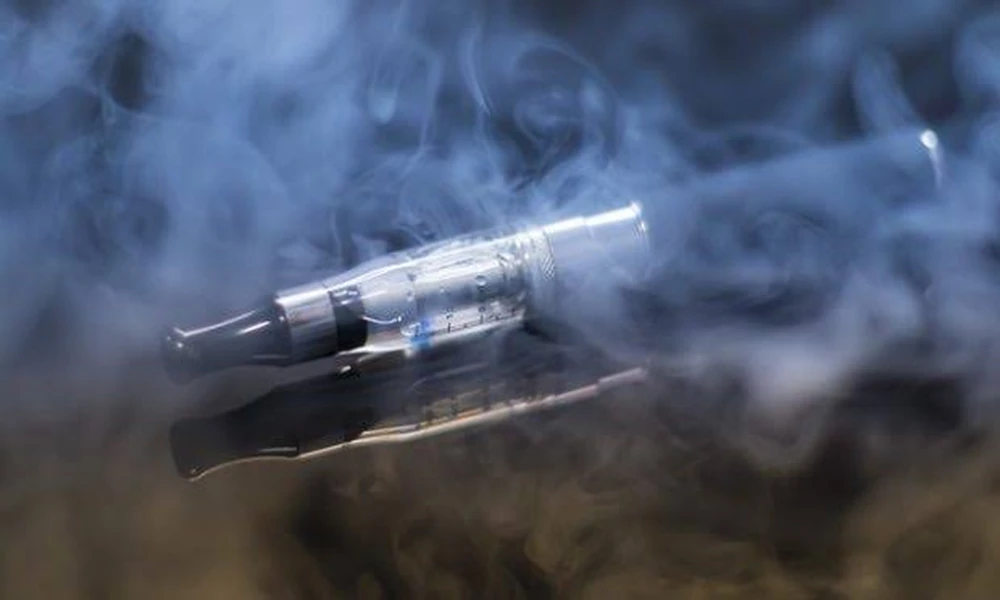
What starts vapour production?
Vapour begins when an atomiser coil converts electrical current into heat and passes that warmth into the concentrate held against it by a wick. Draw activation or button press closes the circuit, current races through resistance wire, and within moments its surface climbs toward the range where dense extract shifts from liquid into aerosol.
Sequence matters here more than people assume. Airflow sensors inside draw-activated models detect pressure change first, then wake the battery, then feed the coil. Button units skip sensing and fire directly. Either way, anyone comparing their best thcp vape options soon notices ignition speed varies between models, and that gap traces back to chipset quality rather than battery size. Slower boards hesitate before reaching the target output. Faster ones stabilise almost instantly, which shortens the lag between first pull and first visible vapour. Wicking keeps pace underneath it all, drawing fresh material toward hot metal each time a portion vaporises away.
Is wicking important?
Wicking sustains vapour because a coil without a fresh supply burns whatever residue clings to it. Ceramic and cotton both move concentrated toward heat, though each behaves differently once thick extract enters the picture.
Ceramics rely upon microscopic pores that pull dense liquids inward through capillary action, tolerating higher temperatures without breaking down. Cotton saturates faster at first, yet chars sooner when the supply thins. Saturation speed shapes everything downstream. Dense formulations creep slowly, so quality cartridges include generous intake ports feeding the wick from surrounding reservoir space. Starve that pathway and dry pockets form, producing the acrid taste vapers recognise immediately as a dry hit.
Heat and aerosol formation
Actual aerosol formation happens across a thin boundary layer where liquid touches the hot coil surface. Molecules gain energy, escape into the surrounding air as fine droplets, and mix into the incoming stream that a user draws through the mouthpiece. Particle size depends heavily upon the temperature at that boundary.
- Moderate heat produces dense, flavorful aerosol carrying intact terpene notes.
- Excess heat fragments compounds and thins the vapour while sharpening the throat feel.
- Insufficient warmth leaves partial vaporisation and weak, wispy output.
Chipset regulation holds that boundary steady, sampling coil resistance constantly and trimming current whenever readings drift.
Airflow path completion
The completed vapour still needs a route out. Intake vents pull ambient air across the heated chamber, where it captures aerosol and carries it upward through a central chimney toward the mouthpiece. Chimney width tunes draw resistance, narrow bores concentrate flavour while wider ones favour volume and cooler temperature at the lips.
Condensation management rounds out the design. Vapour cooling against chimney walls turns back into liquid, and well-engineered cartridges channel that runoff toward the reservoir instead of letting it pool near the airway. Poor routing clogs vents within days. Careful routing keeps the draws clean for the life of the unit.
Every draw compresses this entire chain into seconds. Cartridge engineering succeeds precisely when none of those stages announces itself, leaving only smooth vapour and steady flavour from a system working exactly as designed.